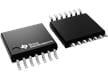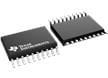




SN74LV8T240QDGSRQ1

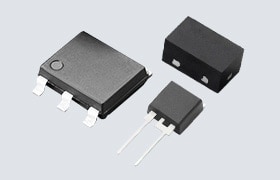
Images are for reference only
See Product Specifications
See Product Specifications
595-74LV8T240QDGSRQ1
SN74LV8T240QDGSRQ1
Mfr.:
Description:
Buffers & Line Drivers Automotive octal in verting buffers/driv
Buffers & Line Drivers Automotive octal in verting buffers/driv
Lifecycle:
New Product:
New from this manufacturer.
Datasheet:
In Stock: 4,500
-
Stock:
-
4,500 Can Dispatch ImmediatelyAn unexpected error occurred. Please try again later.
-
Factory Lead Time:
-
18 Weeks Estimated factory production time for quantities greater than shown.
Pricing (USD)
| Qty. | Unit Price |
Ext. Price
|
|---|---|---|
| Cut Tape / MouseReel™ † | ||
| $1.74 | $1.74 | |
| $1.11 | $11.10 | |
| $0.988 | $24.70 | |
| $0.814 | $81.40 | |
| $0.709 | $177.25 | |
| $0.672 | $336.00 | |
| $0.565 | $565.00 | |
| $0.516 | $1,290.00 | |
| Full Reel (Order in multiples of 5000) | ||
| $0.482 | $2,410.00 | |
† A MouseReel™ fee of $7.00 will be added and calculated in your basket. All MouseReel™ orders are non-cancellable and non-returnable.
↩
Datasheet
- USHTS:
- 8542390090
- TARIC:
- 8542399000
- MXHTS:
- 8542399999
- ECCN:
- EAR99